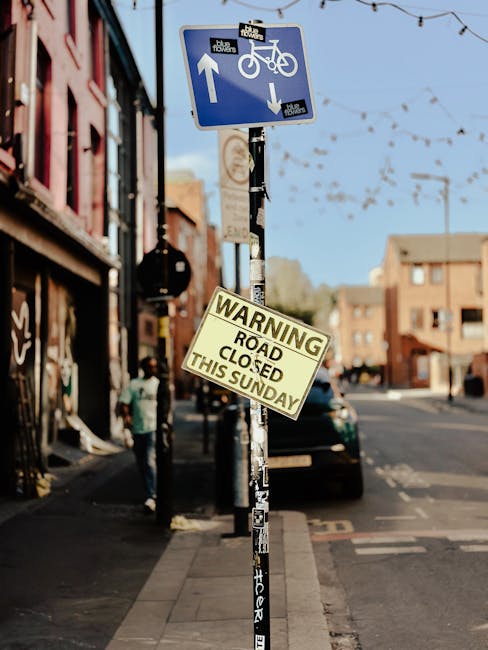
Street closure rules for West Kensington removals: what you need to know before moving day
If you are planning a move in West Kensington, street closure rules can be the difference between a calm, efficient moving day and a frustrating one with nowhere for the van to stop. In practice, this means thinking ahead about parking bays, loading space, temporary traffic restrictions, permits, and whether your street needs extra protection to keep the move safe and legal. Street closure rules for West Kensington removals are not something most people deal with every day, so it helps to have a clear, grounded explanation before the boxes start piling up by the front door.
This guide breaks down how the rules typically work, why they matter, who needs to pay attention, and what to do step by step so your removal is handled properly. It also covers common mistakes, practical checklists, and the kind of small real-world details that can save you a lot of stress. To be fair, the awkward part is rarely the lifting itself. It is usually the street outside.
Table of Contents
- Why street closure rules matter
- How the process usually works
- Key benefits and practical advantages
- Who this is for and when it makes sense
- Step-by-step guidance
- Expert tips for better results
- Common mistakes to avoid
- Tools, resources and recommendations
- Law, compliance, standards and best practice
- Options, methods and comparison
- Case study or real-world example
- Practical checklist
- Conclusion
- Frequently asked questions
Why street closure rules for West Kensington removals matter
West Kensington has a lot of streets where access is tighter than people first expect. Parked cars, narrow carriageways, controlled parking zones, busy school runs, and the occasional awkward corner can all turn a simple house move into a logistical puzzle. That is exactly why street closure rules matter: they help create space for the removal vehicle, protect pedestrians, and reduce the chance of delays or enforcement action.
When a road or section of road needs to be blocked, reserved, or managed in a special way, the move often needs more planning than a standard driveway job. Even if you are using a small van, you may still need to think about where it can stop, how long it can stay there, and whether your neighbours can safely pass. A short closure can sometimes be enough. In other cases, the answer is not a closure at all, but careful loading arrangements, bay suspension, or timed access.
For removals, this is about more than convenience. It is about keeping the job moving, protecting furniture, reducing lifting distance, and avoiding the classic moving-day scramble where someone is standing in the road while traffic queues behind them. Nobody wants that. It is noisy, stressful, and a bit embarrassing, frankly.
If you are comparing moving support in the area, it can help to look at the broader service context too. Some people only need a vehicle and a few hands, while others benefit from a fuller package such as home moves, man and van, or a more structured removal services approach.
Expert summary: In a built-up London area like West Kensington, the best removal day is usually the one planned around the street first and the furniture second. If access works, everything else becomes much easier.
How street closure rules for West Kensington removals works
The exact process depends on the street, the time of day, the size of the vehicle, and whether the move affects traffic, pedestrians, or nearby residents. In plain English, you normally need to work out whether you are simply loading from the kerb, reserving a space, or arranging something more formal that restricts vehicle movement on the street.
A proper removal plan usually starts with access checks. The team looks at the width of the road, the position of parking bays, any height restrictions, one-way systems, and whether the vehicle can stand close enough to the property. In a terraced or mansion block setting, a few extra metres can make a huge difference. Sometimes that means a standard removal van is ideal. In other cases, a larger truck is fine if the street can accommodate it, which is where options like moving van or moving truck services become relevant.
Street closure requests and parking arrangements are typically handled in advance, not on the morning itself. That sounds obvious, but people do leave it late. A realistic plan might include:
- checking whether parking is controlled at your address
- confirming how close the vehicle can get to the entrance
- deciding if a temporary bay suspension or loading restriction is needed
- allowing time for traffic, neighbours, and building access
- making sure the removal team knows the street layout before arrival
Some moves can be completed without any formal street restriction at all. Others need careful scheduling around busier times or access windows. The key is not to guess. A five-minute inspection, or even a good photo set of the street, can prevent a much longer headache later.
If the move is business-related, the same logic applies but the stakes are often higher. Office relocations can depend on timed loading and more precise vehicle positioning, especially where buildings sit on narrow residential roads. In those cases, office removals or office relocation services may be a better fit than a last-minute van hire.
Key benefits and practical advantages
Street planning is not just bureaucracy for the sake of it. Done properly, it gives you practical advantages you can feel on the day.
- Shorter carrying distance: fewer steps between the property and the vehicle means less fatigue and lower risk of damage.
- Smoother timing: with space secured, the team can work in a rhythm instead of stopping and starting.
- Lower risk of penalties: staying on the right side of local parking and access rules helps avoid awkward enforcement issues.
- Better safety: fewer people weaving around moving traffic or squeezing between parked cars.
- Less neighbour friction: clear planning reduces the chance of blocking someone in or causing a row on the pavement at 8:00 in the morning.
There is also a quieter benefit: it makes the day feel under control. Moving is a lot emotionally. You are dealing with keys, children, bins, internet cut-offs, and possibly a kettle that has gone missing in the wrong box. Having the street side sorted takes one chunk of uncertainty away.
For many households, the right moving setup also depends on the size of the load. A small flat move may suit a more flexible service such as man with van or man with a van. A larger family home might need a fuller team through house removals or house movers.
Who this is for and when it makes sense
Street closure planning is worth considering for anyone moving from a property where the vehicle cannot simply pull onto a private drive or wide forecourt. In West Kensington, that can include:
- top-floor or basement flats with no off-street loading area
- terraced houses on narrow residential roads
- moves close to schools, shops, or busier junctions
- commercial premises that need timed loading access
- properties with resident permits, yellow lines, or shared access issues
It is also useful for people who are moving expensive or bulky items. The extra room makes it easier to handle sofas, wardrobes, white goods, and awkward furniture without repeated trips. If you are only moving a few items, a smaller vehicle may be enough. But if the street is tight, even a small job can benefit from proper space management. A compact move is still a move, after all.
People often ask whether they really need this level of planning. The honest answer is: sometimes yes, sometimes no. If the property is easy to access and there is legal loading space right outside, you may not need anything formal. If the street is busy or restricted, a bit more organisation is worth its weight in gold.
For renters, landlords, and smaller move jobs, removals near me searches often bring up quick options, but the best choice is still the one that can actually work with your street conditions, not just one that looks fast online.
Step-by-step guidance
Here is a practical way to handle street closure rules and access planning without making the process more complicated than it needs to be.
- Check the street layout early. Look at parking bays, loading restrictions, and whether there is enough width for a van or truck to stop safely.
- Identify the moving vehicle size. A van, larger removal vehicle, or truck will need different space. Do not assume a bigger vehicle is automatically better.
- Confirm access times. Some streets are far easier early in the morning than later in the day, especially in areas with commuter traffic or school drop-offs.
- Plan the loading point. Decide exactly where boxes, furniture, and fragile items will be staged before the vehicle arrives.
- Speak to the removal team. Share photos, note low walls, steps, bin stores, and gate widths. Small details matter.
- Allow a buffer. A move that looks like it will take two hours can easily run longer if parking is awkward or keys are delayed.
- Keep residents informed. If a short closure or temporary obstruction is likely, warn neighbours in a calm, practical way.
There is a simple rule here: the more constrained the street, the more you should think like a logistics planner. You do not need to overdo it. Just be precise. A quick sketch, a photo, and a sensible time window can save a lot of back-and-forth later.
If you are hiring help, ask whether they are comfortable working in tighter streets and whether the vehicle choice suits the access. That is where services such as man and van removals or a dedicated removal company can be especially useful.
Expert tips for better results
After enough moving days, a few patterns become obvious. The jobs that go smoothly usually share the same quiet habits.
- Measure the awkward bits. Doorways, stair turns, front steps, and the distance from the kerb can matter more than the overall street width.
- Choose timing with care. A slightly earlier start can be worth it if traffic is lighter and neighbours are still indoors.
- Protect the pavement path. Keep walkways as clear as possible. It sounds basic, but it really helps.
- Pre-pack the essentials. The fewer last-minute items you need to fetch from inside, the less likely the vehicle is to sit waiting outside.
- Use the right vehicle size. Bigger is not always better. A smaller vehicle can be easier to position in a narrow West Kensington street.
One tip people overlook: ask where the vehicle can legally wait if the exact loading space is taken when it arrives. That single question can stop a chain of delays. It is a small thing, but moving days are often built from small things.
Also, if you are moving a business or moving out of an office, do not treat it like a home move with desks. Office stock, IT equipment, and filing often need better sequencing. The safest route may involve commercial moves planning rather than a casual day-rate arrangement.
Common mistakes to avoid
Most moving problems in tight London streets are predictable. That is the frustrating part, because they are also avoidable.
- Leaving street planning until moving day. By then, you are reacting instead of controlling the situation.
- Assuming one vehicle size fits all. A lorry-sized truck may be overkill if access is tight.
- Forgetting about neighbours and building rules. Shared entrances, concierge windows, and resident parking rules can all slow things down.
- Not allowing time for loading. A street can look fine, but the actual carrying path may be slower than expected.
- Blocking access without a backup plan. If someone needs to get out, you may end up moving items twice. Nobody enjoys that, honestly.
Another common mistake is treating parking permission and street control as the same thing. They are related, but not identical. Sometimes all you need is a loading arrangement. Sometimes you need a more formal restriction on part of the street. If the wording sounds a bit technical, that is because it is. The practical answer, though, is simple: get clarity before you start.
And do not forget the boring paperwork. Terms, payment, and safety details may not be glamorous, but they are part of a tidy move. It is worth reading the small print on terms and conditions, payment and security, and insurance and safety before you lock everything in.
Tools, resources and recommendations
You do not need a complicated toolkit to manage this well. A few practical items and habits go a long way.
- Phone camera: take street photos from both directions, including kerbs, signs, and the entrance.
- Simple floor plan: even a hand-drawn sketch helps if there are stairs, lifts, or narrow turns.
- Box labels: these reduce the time the vehicle spends waiting while people ask where the lamp went.
- Contact list: keep building managers, neighbours, and the removal team easy to reach.
- Move-day notes: write down access times, parking details, and any restrictions in one place.
If you want a more structured move, look for a provider that can support the process from planning through to unloading. For example, a fuller service may combine packing and unpacking services with a suitable vehicle and experienced movers. That is often the difference between a rushed day and a controlled one.
For people who only need a smaller, flexible option, a man with van removal setup can be a sensible fit if the street access is manageable. It keeps things light, quick, and practical.
Law, compliance, standards and best practice
Street closure rules sit within a mix of local parking controls, highway management, safety duties, and building access expectations. Because those details can change depending on location and circumstance, it is wise to treat this as practical guidance rather than a fixed legal script. If a street is formally restricted, the permission process and timing requirements may need to be handled carefully and in advance.
From a best-practice point of view, the main aims are straightforward:
- do not obstruct traffic unnecessarily
- keep pavements and entrances as clear as possible
- avoid creating unsafe loading conditions
- respect resident access and emergency access needs
- make sure the vehicle and crew are appropriately suited to the street
That is the heart of it. Keep the move lawful, safe, and proportionate. If a temporary closure is being considered, the question should never be "How do we block the road?" but rather "What is the minimum street management needed to move safely and efficiently?" That mindset tends to produce better outcomes.
In a residential area like West Kensington, common sense matters a lot. A move that is well organised, brief, and considerate is usually far easier for everyone involved than one that starts with rushed parking and ends with people standing in the way. Simple, but true.
Options, methods and comparison
Different access problems call for different approaches. Here is a simple comparison to help you think it through.
| Method | Best for | Strengths | Limitations |
|---|---|---|---|
| Standard kerbside loading | Quieter streets with straightforward access | Simple, fast, low fuss | Depends on available parking and traffic |
| Temporary bay suspension or reserved loading space | Controlled parking streets | Helps secure a reliable loading point | Needs advance planning and may not suit every move |
| Partial street management or short closure arrangement | Narrow streets or awkward access points | Creates safer room for bulky items and vehicle positioning | More coordination, more lead time |
| Smaller van-based removal | Flats, lighter loads, tight roads | Easier manoeuvring and often simpler access | May require more trips for larger moves |
| Full removal vehicle or truck | Larger homes or larger inventories | Efficient loading capacity | Needs more space and careful route planning |
There is no single best option. The right choice depends on the street and the load. That is why a proper review of the address is so valuable before the moving date.
Case study or real-world example
Imagine a family moving from a first-floor flat in West Kensington on a weekday morning. The street has resident parking, a narrow carriageway, and cars usually fill the available space by 8:30. On paper, the move looks simple: a few bedrooms, a sofa, a dining table, and a stack of boxes. In reality, the team has to work around parked cars, limited standing space, and a shared entrance that sits a little awkwardly back from the road.
In a case like that, the successful approach is usually not to aim for the biggest vehicle possible. It is to secure the right loading position, arrive at the right time, and keep the carrying route short. If the vehicle can stop close enough to the entrance, the move stays calm. If it cannot, the job becomes slower and riskier, with more lifting and more time spent shuffling items down the street.
What tends to work best is a small, precise plan: photos of the road, a clear arrival window, boxed items ready to go, and a vehicle sized to the access rather than the ego. A bit cheeky, but true. The move finishes on time, the neighbours remain reasonably content, and the team does not spend half the morning asking where to park.
That is the real point of street closure rules and access planning. Not red tape. Just less chaos.
Practical checklist
Use this checklist a few days before moving day. It is the sort of thing you can glance through while the kettle boils.
- Confirm the move date, start time, and access window.
- Check whether the street has resident bays, loading restrictions, or yellow lines.
- Take clear photos of the front of the property and the road outside.
- Measure tight points such as gates, hallways, stair turns, and entrance width.
- Decide whether a van or larger vehicle is more suitable.
- Tell the removal team about steps, lifts, shared hallways, or concierge rules.
- Keep boxes and furniture grouped so loading is quick and tidy.
- Warn neighbours if access may be briefly affected.
- Review any booking, payment, or insurance details in advance.
- Keep keys, phones, and important documents somewhere easy to reach.
If you want a smoother start, it can also help to compare service levels before you book. Some moves are best handled by a flexible vehicle-only setup, while others benefit from fuller support from experienced movers or a dedicated removal company.
Get a free quote today and see how much you can save.
Conclusion
Street closure rules for West Kensington removals are really about keeping the move safe, legal, and practical in a crowded urban setting. Once you understand the street, the vehicle, and the timing, the rest becomes far more manageable. You do not need to overcomplicate it, but you do need to respect the realities of London access.
The best moves are usually the ones that feel slightly boring on the day. No frantic parking, no blocked pavement, no last-minute arguing with the clock. Just a clean, well-planned start and a steady finish. If you are preparing for a move in West Kensington, that calm approach will serve you well.
And honestly, a little planning now is a lot nicer than a stressed conversation in the middle of the road later.
Frequently Asked Questions
Do I always need a street closure for a removal in West Kensington?
No, not always. Many smaller moves can be handled with normal kerbside loading, a reserved space, or a well-timed arrival. A closure is usually only considered when the street is narrow, busy, or awkward for safe loading.
What is the difference between a street closure and a parking suspension?
A parking suspension usually relates to stopping vehicles from using a bay or section of road. A street closure is broader and may restrict traffic movement more significantly. The exact approach depends on the location and the level of access needed.
How far in advance should I sort out access for my move?
As early as possible. The more controlled the street, the sooner you should plan. Leaving it to the last few days can make it harder to secure the right loading arrangement and vehicle position.
Can a small van avoid the need for street management?
Sometimes, yes. A smaller van can be easier to place in tighter streets and may reduce the need for more formal arrangements. That said, the street still needs to be checked properly.
What if my road is busy at school-run time or during rush hour?
Then timing matters a lot. Try to schedule the move for a quieter window if possible. Early starts often work better than later ones, especially in residential London streets with short-term congestion.
Will a removal company help with street access planning?
A good one should. Experienced teams usually think about parking, loading distance, and vehicle size before the move. It is worth asking how they assess access, especially in tighter areas.
Is a formal closure needed for a commercial move too?
It can be. Commercial relocations often involve more equipment, tighter timeframes, and more pressure to keep access flowing. In those cases, planning is just as important, maybe more so.
What should I tell the removal team about my street?
Share anything that affects access: parking restrictions, narrow turns, steps, gates, lifts, shared entrances, or nearby building works. A few photos are often more useful than a long explanation.
Do I need to worry about neighbours?
Yes, at least a little. A short heads-up can prevent friction if the vehicle will briefly block access or take up loading space. A polite note or quick conversation usually goes a long way.
What type of service is best for a tight West Kensington street?
That depends on the load and access. For smaller moves, a van-based option may be best. For larger household moves, a more complete removal setup is often easier to coordinate.
How do I know whether my move needs a larger vehicle or a smaller one?
Think about both volume and access. A larger vehicle may fit the load better, but if the street is narrow it could create more problems. In many cases, access should guide the vehicle choice, not the other way around.
Where can I check the company's safety and policy information?
You can review practical details through pages such as health and safety policy and about us, which help set expectations before you book.