West Kensington removals for homes, flats and local moving plans

West Kensington removals need to be practical, careful and well organised from the first box to the final placement of furniture. We help people moving within the area and further afield with a service centred on safe handling, sensible planning and steady progress on the day. Whether the move involves a compact flat, a larger family home or a mixed load of furniture and personal items, the aim is to keep the process controlled and straightforward.
Our removal service covers the essential parts of a residential move, including loading, transporting and unloading your belongings with attention to access, packing quality and item size. We can also support moves that need careful coordination because of stairs, narrow hallways, shared entrances or parking restrictions. If you are comparing options and want a clear starting point, you can use the service pages below to understand the main types of work we cover before you request a quotation.
Different moves call for different levels of preparation, so our approach is built around the details that matter: what is being moved, where it needs to go, and what needs to be handled with extra care. For some customers that means a straightforward transport job; for others it means packing support, dismantling and reassembly, or a more considered schedule for larger household contents. Tell us what needs moving, and we can help shape the right plan for the job.
House removals arranged around your property and contents
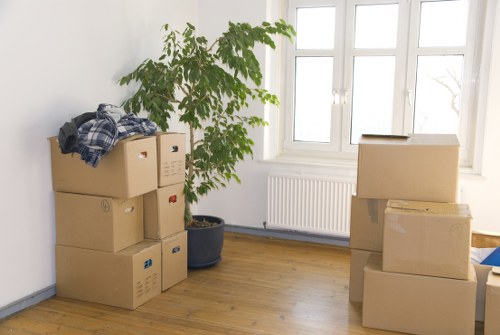
House removals are rarely just about carrying boxes. They often involve bulky furniture, fragile household items, appliances and a sequence of rooms that all need to be cleared in a sensible order. We work with that in mind, helping to keep the move organised so that items are loaded securely and the receiving property can be set up with less confusion. The right plan depends on the size of the home, the access available and how much preparation has already been done.
For many customers, the key decision is how much of the move should be handled as part of the removal itself and how much should be prepared in advance. If you are packing yourself, sturdy boxes and labelled contents can make unloading easier. If you want more support, our packing and unpacking services page explains a fuller approach to protecting items and settling them into the new property. Used well, that kind of support can reduce strain on moving day.
What to consider before booking
Before requesting a quotation, it helps to think about the main objects that will travel, any items needing special care and whether access at either end may slow loading. A good overview of wardrobes, beds, shelving, white goods and delicate possessions makes planning more accurate. It is also useful to know whether there are lift restrictions, restricted parking or steps at the entrance, because these factors can affect how the work is organised.
Flat moves, access challenges and careful item handling

Flat moves often need a more measured approach than people expect, especially where stairwells are narrow, lifts are shared or there is limited waiting space outside. In those situations, moving efficiently means protecting both the property and the items being carried. We aim to keep the process calm and methodical, with sensible attention to furniture wrapping, doorframes, floor protection and safe lifting. That is especially important when the load includes awkward or valuable items.
Our removal work can include pieces that need extra care because of shape, weight or finish. Sofas, wardrobes, tables and appliances often require a different handling approach from boxed household goods. If the property layout makes manoeuvring difficult, a more prepared sequence for loading and unloading can save time and reduce risk. For customers who want a broader overview of the kinds of jobs we handle, the removal services page gives a useful summary of the main work areas.
In some cases, the best result comes from combining the move with lighter preparation work and a clear decision about what should travel, what should be dismantled, and what should remain in storage or disposal. That is why concise inventory notes matter. If you are still deciding how much to move, make a simple list of the larger items first and then add the smaller contents afterwards. It is often the most practical way to shape a quotation.
Home moving support for larger or more detailed relocations
Home moves can involve more than transport alone. They may need a sequence that starts with preparation, continues through loading and transport, and ends with placement in the right rooms. When the load is varied, the work benefits from a plan that separates fragile items from heavy ones and keeps essential belongings easy to find. That is particularly useful if you are moving from a property with multiple rooms or a substantial amount of furniture.
If you want a service that is built around domestic moving rather than a generic van journey, our home moves page may help you compare the type of support available. We also cover related household work through pages such as house movers and house removals, which reflect the same broad service area from slightly different angles. Those pages are useful when you are deciding how detailed the move needs to be.
- Prepare a brief room-by-room list so the larger items are easy to identify.
- Separate fragile belongings from robust furniture before moving day.
- Check whether dismantling and reassembly will be needed for beds or wardrobes.
- Note any access limitations that could affect carrying and loading.
Office relocations and commercial moves with minimal disruption
Although much of our work is domestic, we also handle relocation tasks for workplaces that need equipment, furniture and files moved in a sensible sequence. Commercial moves usually depend on timing, access and the order in which items must be ready for use again. Desks, chairs, storage units and boxed records all need different handling, and a careful plan helps reduce interruption once the new space is in operation.
Our commercial moves and office relocation services pages are useful if you need to move a business environment rather than a household. They indicate how work can be shaped around the layout of the premises and the nature of the equipment involved. For some customers, the priority is getting essential workstations moved first; for others it is about clearing a site in stages with as little disruption as possible.
Office and business relocation work often benefits from advance labelling, a simple floor plan and clear instructions about which items should be placed where on arrival. That kind of organisation helps the team work methodically and gives the client a better chance of restarting work quickly. If you are planning a workplace move, clarity at the start usually pays off in smoother handling later.
About West Kensington
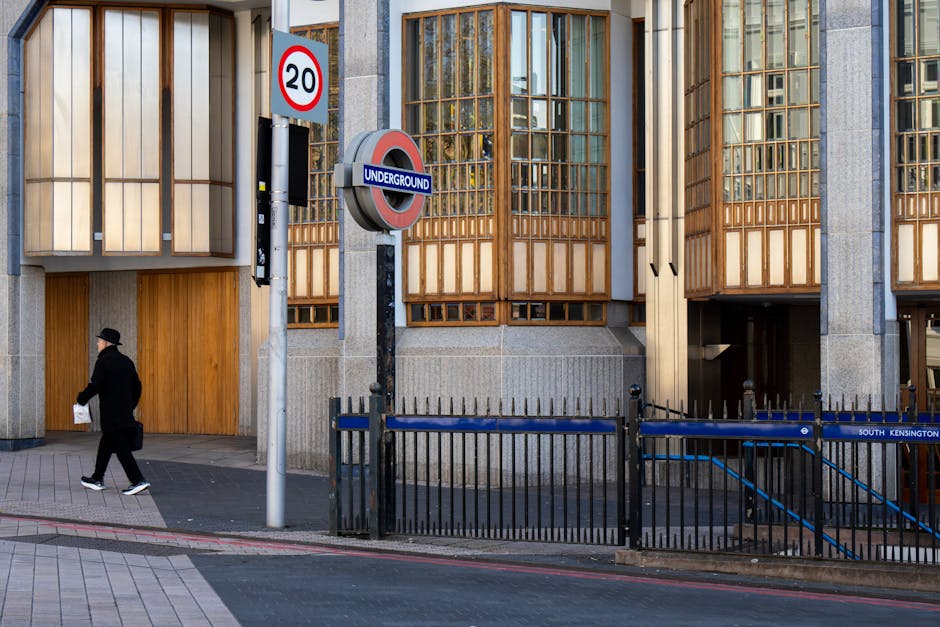
West Kensington sits in the London Borough of Hammersmith and Fulham, forming part of the wider West London landscape between Hammersmith, Kensington, Fulham and Earls Court. The name is often associated with the district around the station, but the area also connects to nearby streets and neighbourhoods whose histories reflect the changing pattern of London expansion. Much of the built environment is residential, with terraces, mansion blocks and later infill development shaping the local streetscape. The character of the area reflects successive phases of urban growth rather than a single planned centre, which gives it a layered appearance typical of inner west London. West Kensington station, on the District line, is one of the clearest transport landmarks, linking the locality to the wider Underground network. Nearby, the Hammersmith and Fulham side of the borough contains a mix of housing, roads and local facilities that support day-to-day life. The area also lies within reach of larger destinations such as Olympia, Kensington High Street and the Thames corridor, making it part of a well-connected urban stretch. Architectural variety is one of the most noticeable features, with older brick housing alongside later apartment buildings and converted properties. The result is a district that feels compact yet varied, with a strong residential identity and close ties to adjacent parts of west London.
Furniture moving and individual item transport
Not every job is a full household move. Sometimes the need is simply to move a few larger pieces safely, whether that is a sofa, a dining set, a bed frame or an appliance that cannot be handled alone. Individual item transport still needs the same care as a larger removal because one awkward item can be just as difficult to move as a full van load. The difference is usually in scale, not in the attention required.
Our furniture-focused work sits well alongside related services such as furniture pick-up, moving van and moving truck. These pages help explain the kinds of transport options that can be relevant when the job is centred on one or several bulky items. If a customer only needs selected pieces moved, the practical question is usually how much protection, carrying support and space will be needed for the load.
When furniture is being moved on its own, we usually think about access first: door widths, stair turns, whether pieces need to be dismantled, and how the item will be secured in transit. That makes the service more efficient and reduces the chance of damage. A short list of the items involved is often enough to start the conversation, and from there the move can be planned more accurately.
Vehicle options, man and van style moves and flexible loading

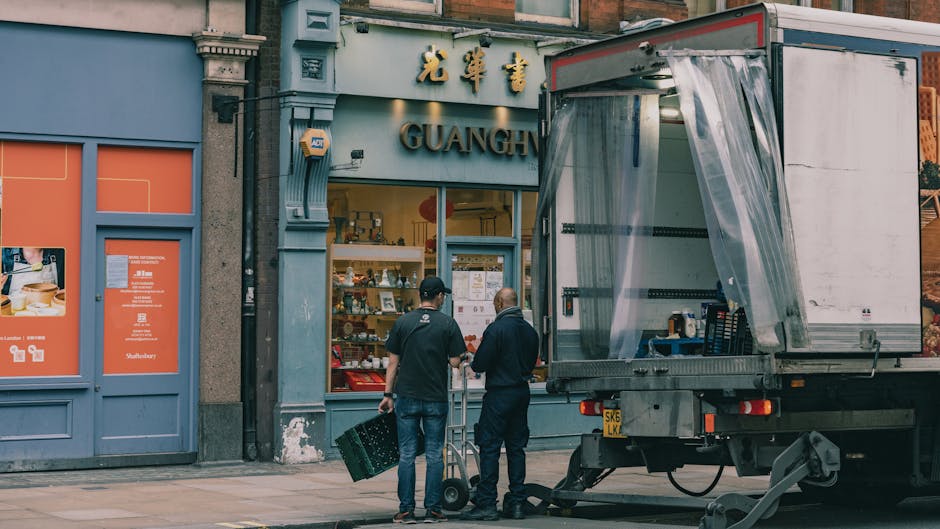
Some customers want a straightforward moving solution with a smaller team and a practical vehicle for local journeys, especially when the load is limited but still too large for a normal car. In those situations, a man and van style arrangement can be a good fit because it combines transport with hands-on help for lifting and loading. The right choice depends on the amount of furniture, the number of boxes and how much carrying is involved.
Our website includes several related pages that can help you compare these options, including man and van, man with van, man with a van and man with van removal. We also list removal van, removals van and removal truck hire for customers comparing vehicle-focused pages. Each of these can be useful when the key issue is matching capacity to the actual load.
Choosing the right vehicle is not just about size. It also affects how efficiently items can be stacked, secured and unloaded at the destination. A van that is too small can mean extra trips, while a vehicle that is far larger than necessary may not be the most practical solution for a modest move. The best fit is the one that suits the contents without making the day more complicated than it needs to be.
Planning, access and quotation details that help the move run well
Good removal planning starts with the facts that make a move easier to shape: the starting address, the destination, the number of rooms, the volume of furniture and any access issues that could affect carrying. From there, the quotation can reflect the real work involved instead of relying on guesswork. This is particularly helpful for properties with limited parking, multiple flights of stairs or items that need careful protection.
Two simple steps usually make the biggest difference. First, group items by room or type so the load is easy to describe. Second, note anything that needs extra attention, such as mirrors, glass tops, pianos, large wardrobes or fragile electronics. If you would like to compare options before booking, the pricing and quotes page is the natural next stop. For the final arrangement, you can also use our contact us page to request a quotation and share the details of your move.
We keep the enquiry process practical rather than overcomplicated. The more clearly you can describe the contents and access at both ends, the easier it is to suggest a suitable approach. If you are ready to move on, send the basics first and build from there. That way, the quotation can focus on the actual job rather than broad assumptions, which is usually better for everyone involved.
More ways to arrange your move and handle the practicalities
Some customers prefer to look at removals from a broader perspective before they decide on the exact service. That is why our site includes general and category-level pages that cover the same core work from different starting points. Pages such as removals, removals near me, removal company and removal companies can help you understand how the service is described across the website without guessing at the right fit too early.
Once the move has been planned, the practical considerations are often straightforward: protection for delicate items, efficient loading order, and sensible handling of the furniture that needs extra space or care. If packing support is needed, that can be built into the preparation stage. If the work is mainly about transport, the process can stay simple. If a property contains a mixture of furniture, boxes and fixtures, then more detailed planning is usually worthwhile.
Other pages such as house removalists, removals van and moving van can also be helpful if you are narrowing down the most suitable type of move. The objective is always to match the service to the actual contents and the access conditions, so the move is organised in a way that feels controlled rather than rushed.
Safety, care and straightforward next steps

Safety matters on every removal, whether the job is a small furniture move or a full home relocation. Items need to be lifted correctly, secured properly in transit and handled with enough space to avoid knocks and scrapes. We also pay attention to the route through the property, because the way an item leaves one room and enters another can matter just as much as the journey itself. Where appropriate, the work can be paired with sensible preparation advice so that everyone involved knows what to expect.
We keep the service focused on the moving work itself and avoid unnecessary complication. If you need help deciding what kind of move is most suitable, start with the relevant service page, then gather the basic details about contents and access, and finally request a quotation when you are ready. That sequence works well for household moves, office relocations and individual item transport alike. It gives you enough information to compare options without adding extra steps that do not help.
If you are planning West Kensington removals and want a clear, practical service, now is the time to take the next step. Review the pages that match your move, make a note of the main items, and ask for a quotation when you are ready to proceed. A concise enquiry is usually the quickest way to turn plans into a booked move, and it helps us shape the right support for your day.